
Our Major Services
Reconciliation and Conflict Resolution
- Mediation and conflict resolution: Providing mediation services and conflict resolution training to help resolve disputes and promote reconciliation.
- Truth and reconciliation commissions: Establishing commissions to uncover the truth about past conflicts or injustices and promote healing.
- Restorative justice programs: Implementing programs that focus on repairing harm, promoting accountability, and fostering healing.
Community Engagement: Organizing community events: Hosting events that bring people together, foster dialogue, and encourage collaboration.
- Creating safe spaces: Establishing safe and inclusive environments where individuals can share their experiences and feelings.
- Fostering empathy and understanding: Encouraging active listening, empathy, and understanding among community members.
Community Development: . Economic empowerment: Supporting economic development initiatives that promote financial stability and independence.
- Education and skills training: Providing education and skills training programs that empower individuals and promote community development.
- Healthcare and wellness initiatives: Offering healthcare and wellness programs that promote physical and emotional well-being.
Spiritual and Emotional Support: 1. Spiritual guidance and counselling: Providing spiritual guidance and counselling services to support individuals in their healing journey.
- Support groups: Establishing support groups for individuals who have experienced trauma or loss.
- Prayer and meditation: Offering prayer and meditation services to promote spiritual healing and comfort.
These are just a few examples of initiatives that can promote healing and unity in communities. The specific approaches will vary depending on the community’s needs and context.
- Advocacy for Social Justice: Advocating for social justice and human rights in Lesotho.
- Partnerships with Local Organizations: Building partnerships with local organizations to amplify impact and promote collaboration.
- Disaster Response and Relief: Providing disaster response and relief services to affected communities.
Equipping servant leaders involves developing their skills, character, and mindset to lead with humility, empathy, and a focus on serving others. This can be achieved through various means, such as:
Training and Development
- Leadership workshops: Organizing workshops that focus on servant leadership principles, emotional intelligence, and effective communication.
- Mentorship programs: Pairing aspiring servant leaders with experienced mentors who can guide and support their development.
- Coaching: Providing one-on-one coaching to help servant leaders overcome challenges and achieve their goals.
Character Development
- Spiritual growth: Encouraging servant leaders to deepen their spiritual lives and develop a strong sense of purpose and values.
- Emotional intelligence: Helping servant leaders develop self-awareness, empathy, and social skills to effectively lead and serve others.
- Integrity and accountability: Fostering a culture of integrity, transparency, and accountability among servant leaders.
Practical Experience
- Hands-on training: Providing opportunities for servant leaders to gain practical experience in leading and serving others.
- Community engagement: Encouraging servant leaders to engage with their communities and develop relationships with people from diverse backgrounds.
- Reflection and feedback: Encouraging servant leaders to reflect on their experiences and receive feedback from others to improve their leadership skills.
By equipping servant leaders, organizations and communities can benefit from more effective, compassionate, and sustainable leadership.
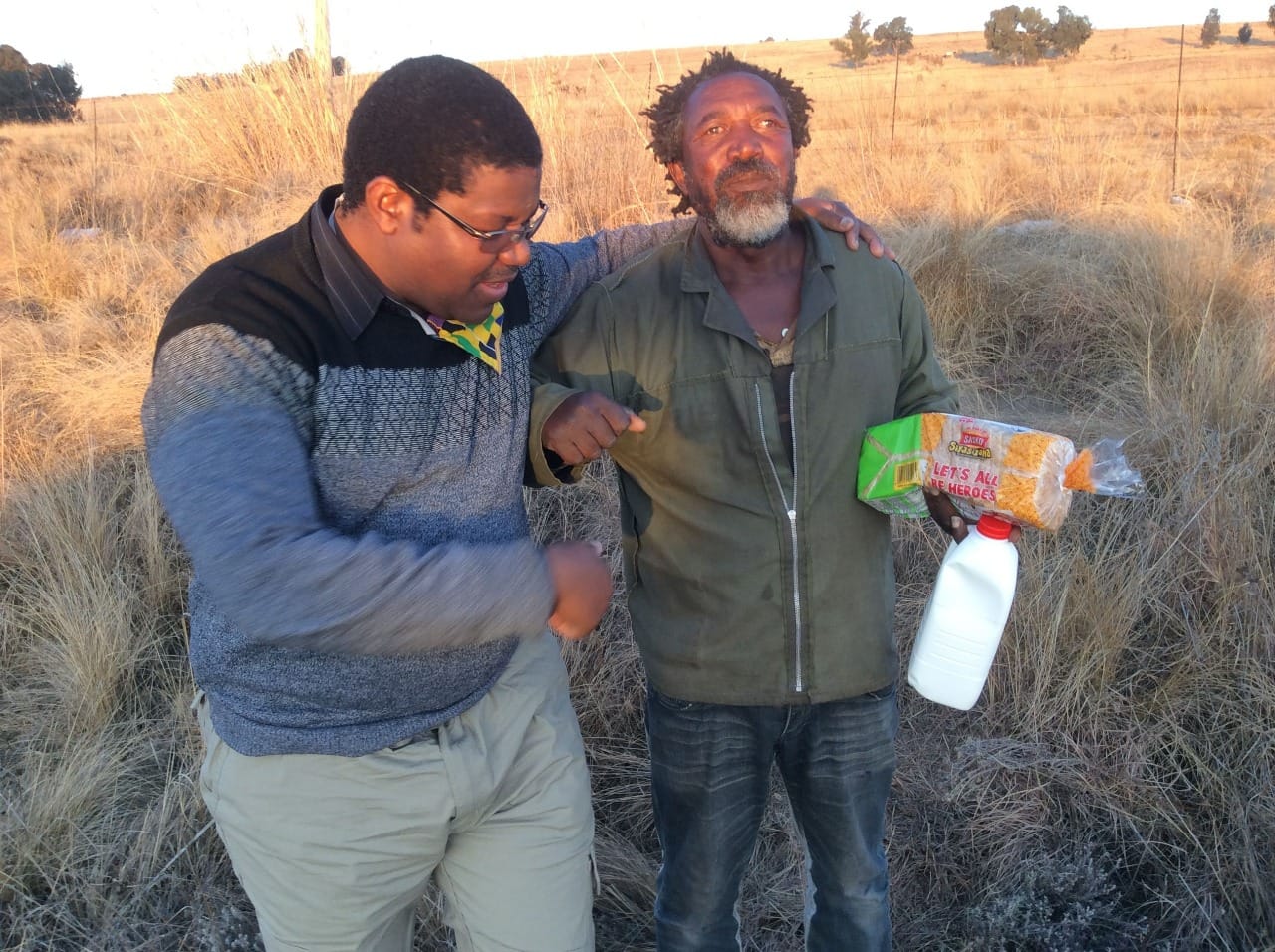
Assisting the poor and helping orphanages can be a rewarding and impactful way to make a difference in your community. Here are some ways to get involved:
Assisting the Poor
- Food banks and pantries: Many organizations collect and distribute food to those in need. You can volunteer or donate to these organizations.
- Clothing and household items: Consider donating gently used clothing, household items, and furniture to local shelters or thrift stores.
- Job training and education: Many organizations offer job training and education programs to help individuals gain skills and find employment.
- Financial assistance: Some organizations provide financial assistance for rent, utilities, and other essential expenses.
Helping Orphanages
- Volunteering: Many orphanages welcome volunteers who can help with daily tasks, such as caring for children, cooking, and cleaning.
- Donations: Consider donating essential items, such as diapers, formula, clothing, and toys.
- Fundraising: Organize fundraising events or campaigns to support the orphanage and its programs.
- Mentorship: Some organizations offer mentorship programs that match volunteers with children in the orphanage, providing guidance and support.
Getting Involved
- Research local organizations: Look for organizations in your area that assist the poor and support orphanages.
- Contact the organization: Reach out to the organization to learn more about their programs and how you can get involved.
- Volunteer or donate: Consider volunteering your time or donating resources to support the organization’s efforts.
Remember to approach your involvement with sensitivity and respect for the individuals and families you are helping.
Caring for those who are sick involves providing emotional, physical, and sometimes spiritual support to help them recover, cope, or manage their condition. This care can be provided by family members, friends, healthcare professionals, or volunteers. Key aspects include:
Emotional & Spiritual Support
- Listening and empathy: Being present and understanding can greatly comfort someone who is ill.
- Encouragement: Offering positive reinforcement and support can help boost their mood and motivation.
Physical Support
- Assistance with daily tasks: Helping with chores, errands, or personal care can alleviate some of the burden.
- Medication management: Ensuring they take their medications as prescribed and monitoring their health.
Spiritual Support
- Prayer or meditation: Offering spiritual support can provide comfort and peace.
- Connecting with spiritual leaders: Arranging visits or conversations with spiritual leaders or advisors.
Practical Support
- Meal preparation: Cooking meals or arranging for meal delivery can be a significant help.
- Transportation: Providing or arranging transportation to medical appointments.
Caring for the sick requires patience, understanding, and compassion. It’s essential to respect the individual’s needs, boundaries, and preferences while providing support
Educating the next generation is crucial for the development of individuals, communities, and society as a whole. This involves not only formal education but also informal learning experiences that shape their values, skills, and knowledge.
Formal Education
- Academic curriculum: Ensuring that the curriculum is relevant, engaging, and prepares students for their future careers.
- Teaching methods: Using innovative and effective teaching methods that cater to different learning styles.
- Assessment and feedback: Providing regular assessments and constructive feedback to help students improve.
Informal Learning
- Extracurricular activities: Encouraging participation in sports, arts, and other activities that foster personal growth and development.
- Community engagement: Involving students in community service and volunteer work to promote social responsibility.
- Mentorship: Providing guidance and support from experienced individuals who can share their knowledge and expertise.
Values and Life Skills
- Character development: Fostering values such as empathy, kindness, and respect for others.
- Life skills: Teaching essential life skills such as time management, problem-solving, and communication.
- Emotional intelligence: Helping students develop self-awareness, self-regulation, and social skills.
By focusing on these aspects, we can empower the next generation with the knowledge, skills, and values necessary to succeed and make a positive impact in the world.