Lesotho Success Stories- 2019-2025
The PEACE Plan initiative in Lesotho has been a game-changer for the country, bringing together church leaders and ordinary Christians to transform their communities in extraordinary ways. Since its launch in 2019, the initiative has made significant strides in promoting peace, reconciliation, and development in Lesotho. One of the key successes of the PEACE Plan is its ability to bring together church leaders from different denominations and backgrounds, providing them with the necessary skills, tools, and relationships to become strong and healthy leaders.
The first international church leadership gathering, held in Maseru, Lesotho, in August 2019, was a major milestone in the implementation of the PDC PEACE Plan vision in Lesotho. The meeting was attended by 270 church leaders from all denominations and was facilitated by an International Partnering Church (IPC) from the USA. The initiative has been well-received by the government and people of Lesotho, with the former Prime Minister, Hon. Dr. Motsoahae Thomas Thabane, declaring its official inauguration.
The PEACE Plan has also been successful in transforming the Lesotho church community and general public through various spiritual initiatives and social programs. These programs have been designed to promote balance and health for community members across Lesotho, regardless of their church affiliations, political views, or cultural practices. The initiative has been led by a technical team, including Rev Dr Lipene Gerard Lejakane as the Chairman, Rev. Dr. John Maphephe as Secretary General and Rev. Dr. A.F. Esenjor as Deputy Secretary General and Technical Advisor to the National Steering Committee.
Some of the strategic stories that showcase the impact of the PEACE Plan in Lesotho include the promotion of reconciliation and healing, the equipping of servant leaders, and the provision of assistance to the poor and vulnerable. The initiative has also been successful in caring for the sick and educating the next generation, with a focus on promoting balance and health for community members.
Overall, the PEACE Plan initiative in Lesotho has been a remarkable success, bringing together church leaders and ordinary Christians to transform their communities and promote peace, reconciliation, and development. As the initiative continues to grow and expand, it is likely to have an even greater impact on the country, promoting a brighter future for all Lesotho citizens.
During COVID-19
Lesotho is experiencing a major food security crisis as a result of C19 and the El-Niño induced drought. The situation has been made worse by successive years of crop failures, low incomes and high food prices that mean that 41 percent of rural families are spending over half their income on food. Over 30% of the Lesotho population across all 10 districts faces high levels of acute food insecurity until March 2020. More than 70 percent of the population in rural Lesotho is engaged in subsistence farming. Productivity has been deteriorating since the early 1990s because of unpredictable weather conditions, including inconsistent rains and persistent and recurring droughts and now the C19 lockdown regulations.
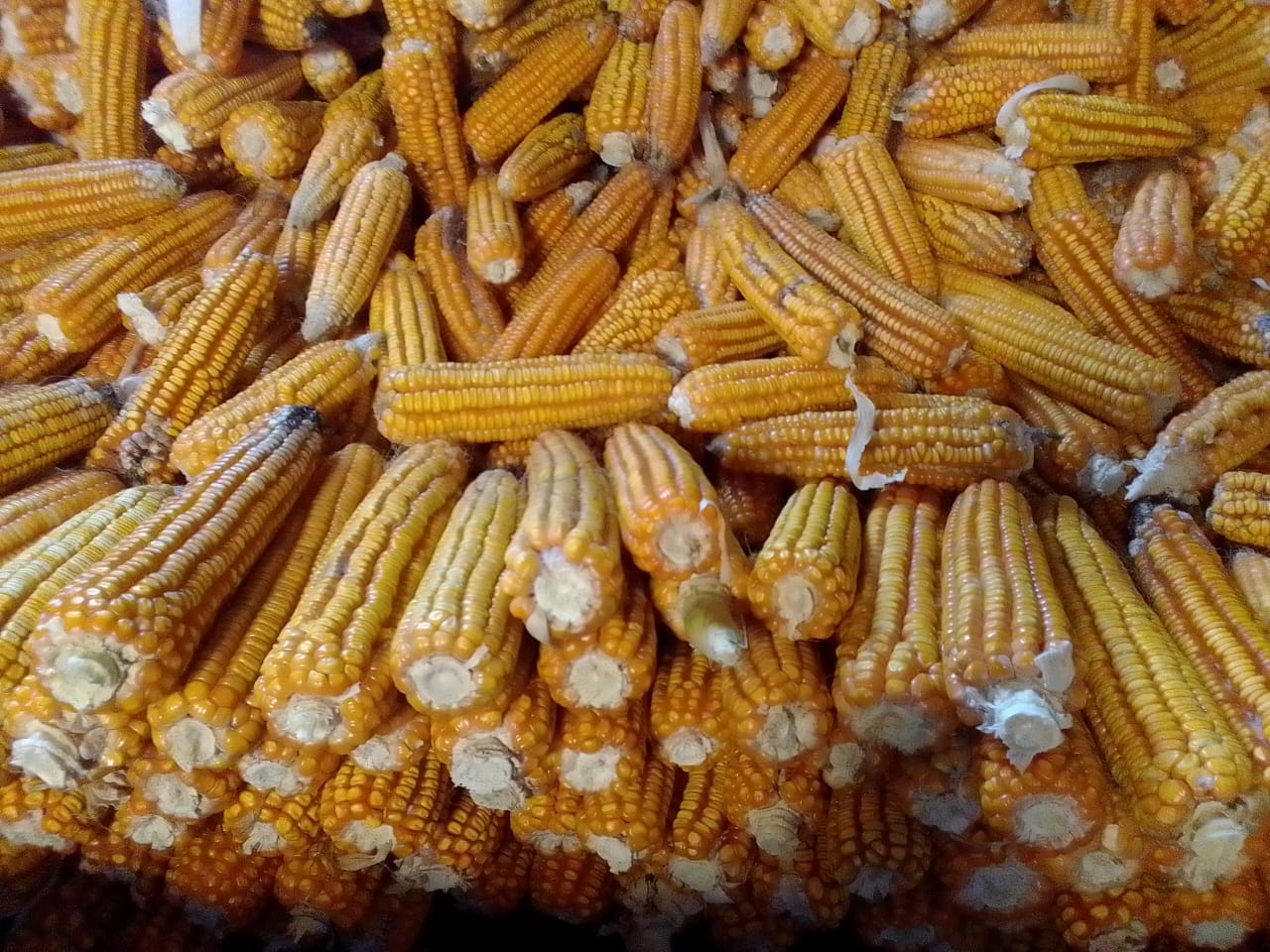
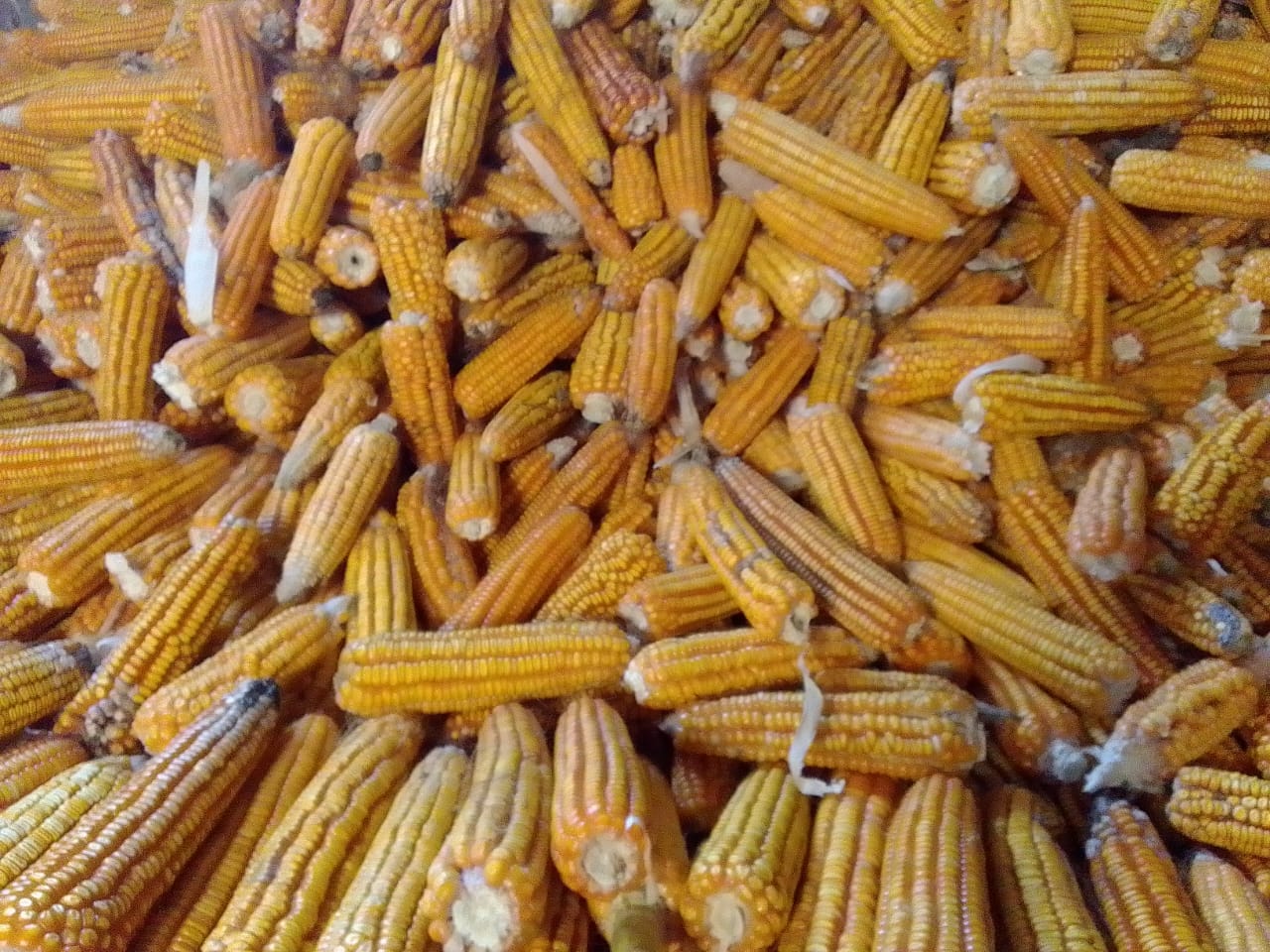
Maize is the staple diet of Lesotho, but just 9 percent of the country’s total landmass is suitable for cultivation. Despite this, 80 percent of the population live in rural areas. Many poor rural households lack access to agricultural land, while those who do own land lack resources to maximize production, such as fertilizers and high-yield seeds.
Agricultural Projects
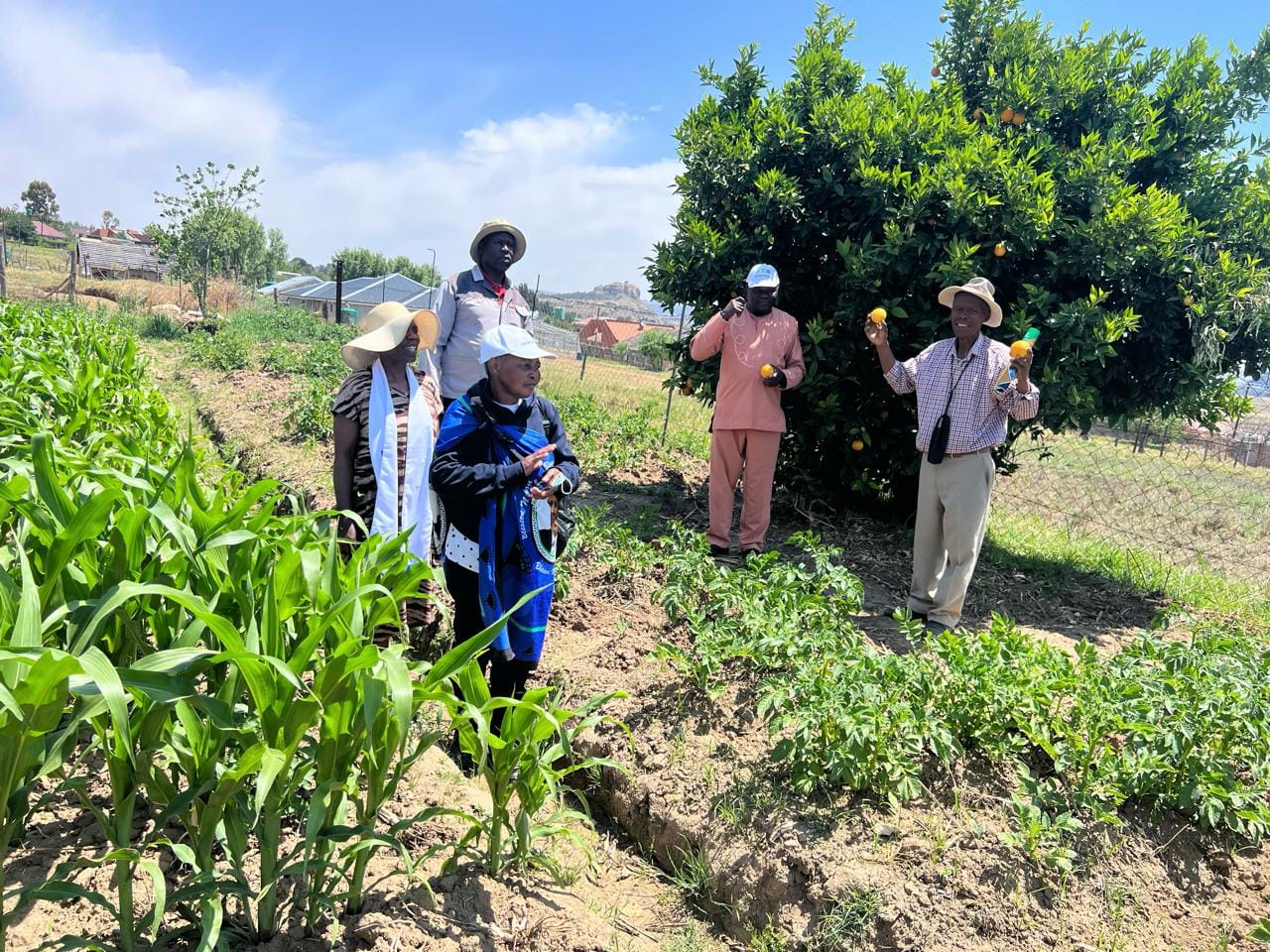
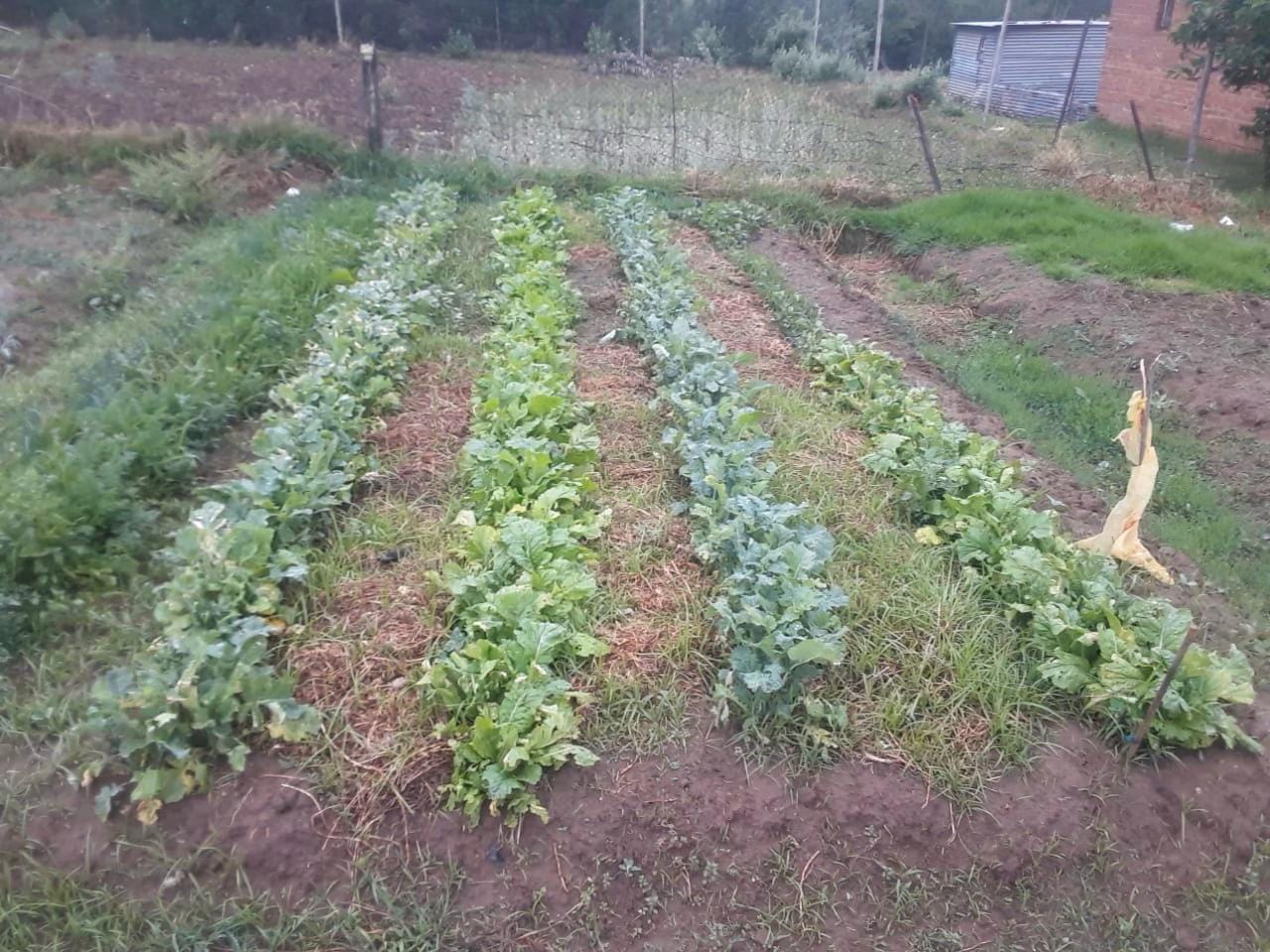
The emphasis of the PEACE Plan is promoting self-sustaining projects that do not require ongoing foreign investment. So we began looking for ways that would provide continued benefits without such investments. Rev. Dr. Steve was inspired by examples from the two World Wars in which governments asked ordinary people to start vegetable gardens to help supply food since so much of the regular supply of food was needed for soldiers in the wars. These were called Victory Gardens. Dr. Steve found an easy to use illustrated manual on gardening and composting in Africa and suggested that each church think differently about their land, not just as a place for a building, but also as a resource for growing food. He suggested that pastors build one of these 2×3 meter gardens, invite community members to see and coach them on how to build their own. The link for the gardening manual is HERE.
Churches and individuals got excited and built hundreds of these gardens.
A special gift from our international partner church then enabled us to purchase gardening starter kits for over 200 churches.
We also helped distribute four very helpful posters on small scale agriculture produced by the UN.
Chicken Project
As we searched for other projects that could meet our criteria of
- Sustainability,
- Scalability (workable for a small church, a large church or a huge church),
- Reproducible (easy enough for ordinary pastors and church members to pass on to others) and
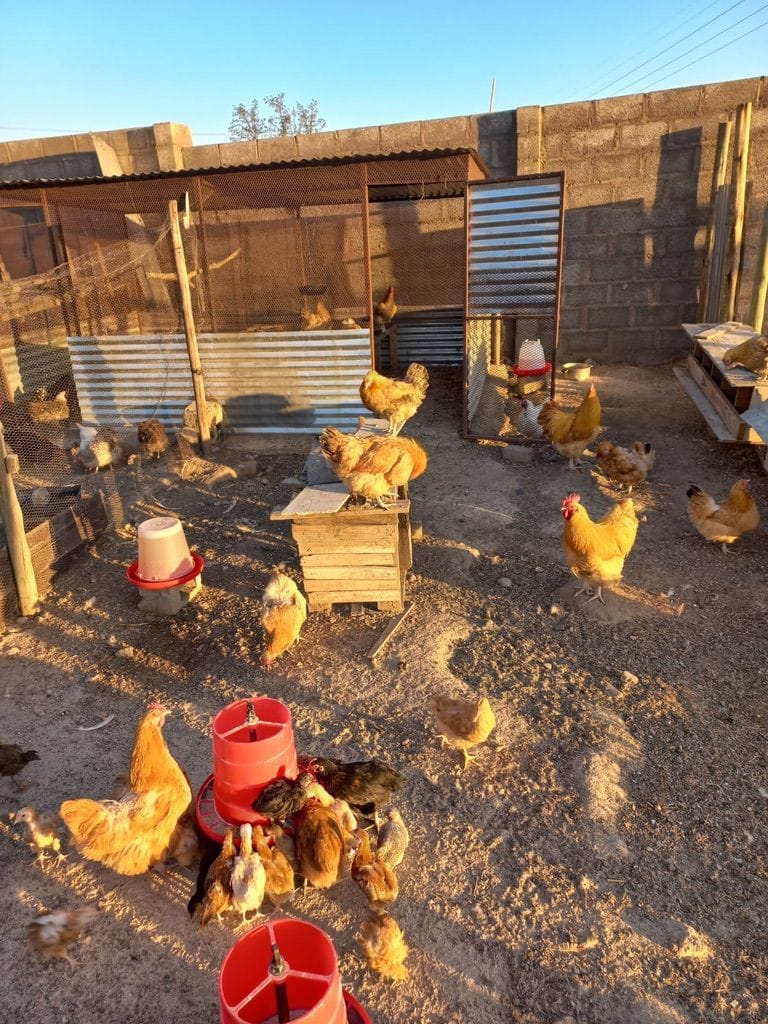
- Not dependent on ongoing foreign funds, Dr. Steve suggested we try raising chickens. He had heard how Professor Sebanomoea Ramainoane had helped some poor women in his church learn to raise chickens and produce eggs to support themselves. Again, a special gift from his church was used to purchase a large number of chicks for this project. However, food needs were so intense during C19 that most simply ate the grown chickens.
Dr. Steve reminded us of the ancient story of the goose that laid the golden egg. This magical goose would lay a golden egg each day and the poor man who was blessed with this goose could then sell the egg each day and have money to feed his poor family. One day the man got greedy and decided to kill the goose and get all the eggs at once. But when he did this, he found that the golden eggs were not developed, his goose was dead and he received not more eggs.
So another investment was made purchasing chicks, this time to be raised and to lay eggs. We were still new at this and found that too many didn’t survive without being given antibiotics in the first weeks of life. Too many fertilized eggs did not come to maturity because they got too cold. This led to another project – purchasing incubators in which to keep the fertilized eggs warm and protected until they could hatch.
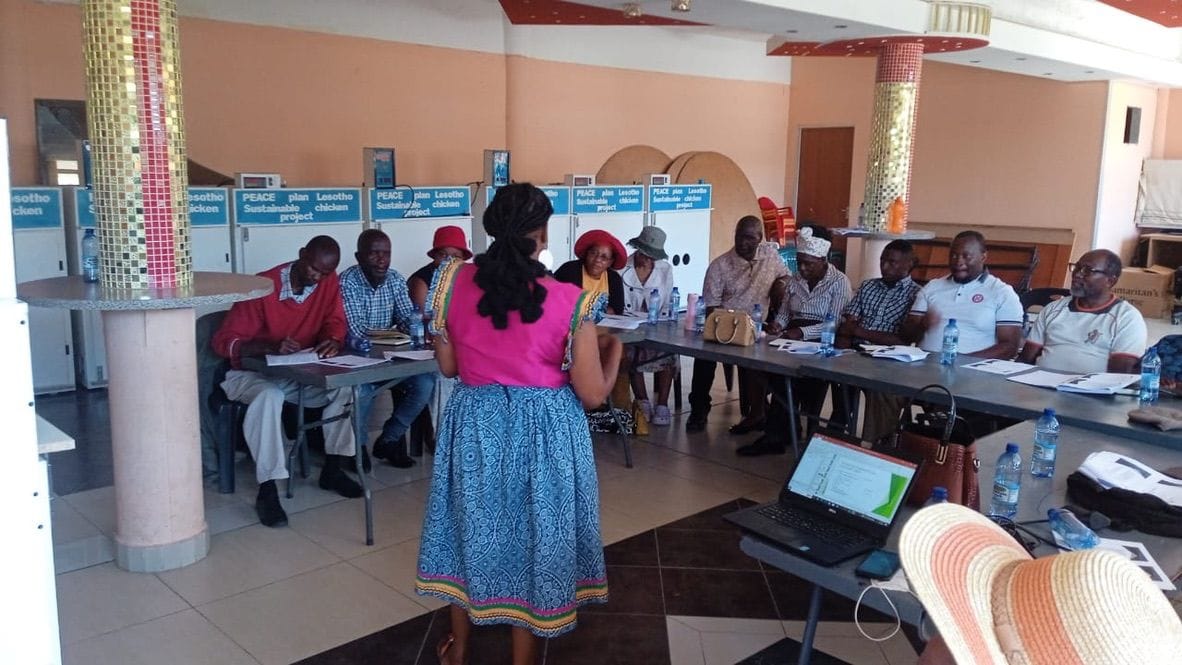
Incubators/ Hatchery Machines – Another Successful Story for PEACE Plan Lesotho
Between July 2024 and January 2025, the PDC PEACE Plan invested in a significant project to support the people of Lesotho. The total cost of the project was R227,000, which included the procurement of ten incubator hatchery machines, distribution, training, and three months of starter packs.
As previously communicated, the P.E.A.C.E Plan Lesotho National Steering Committee, after thorough consultation, decided to seek support for the procurement of chicken incubators and hatchery machines for the districts of Lesotho. Lesotho is a country with ten districts, spread across the highlands, valleys, lowlands, and foothills. We are pleased to report that the transformative and sustainable teachings and practices of the PEACE Plan have spread rapidly across the districts in recent times. In fact, the PEACE Plan has successfully established its presence in seven out of the ten districts.
However, there are still three districts that remain challenging to reach due to their remote and mountainous nature. These districts are Qacha Nek, Thaba-Tseka, and Mokhotlong. Despite the difficulties, we are committed to reaching all areas of the country and spreading the teachings and practices of the PEACE Plan to every corner. To achieve this, we are planning to invest significant resources, including adequate funding, well-conditioned 4×4 vehicles, and in some cases, horses and donkeys.
The procurement of the incubator hatchery machines is a significant step towards supporting the people of Lesotho, particularly in the rural areas. This project aims to promote economic development, improve food security, and enhance the livelihoods of the local communities. We believe that this initiative will have a positive impact on the lives of many Basotho people and contribute to the overall development of the country
Piggery Project
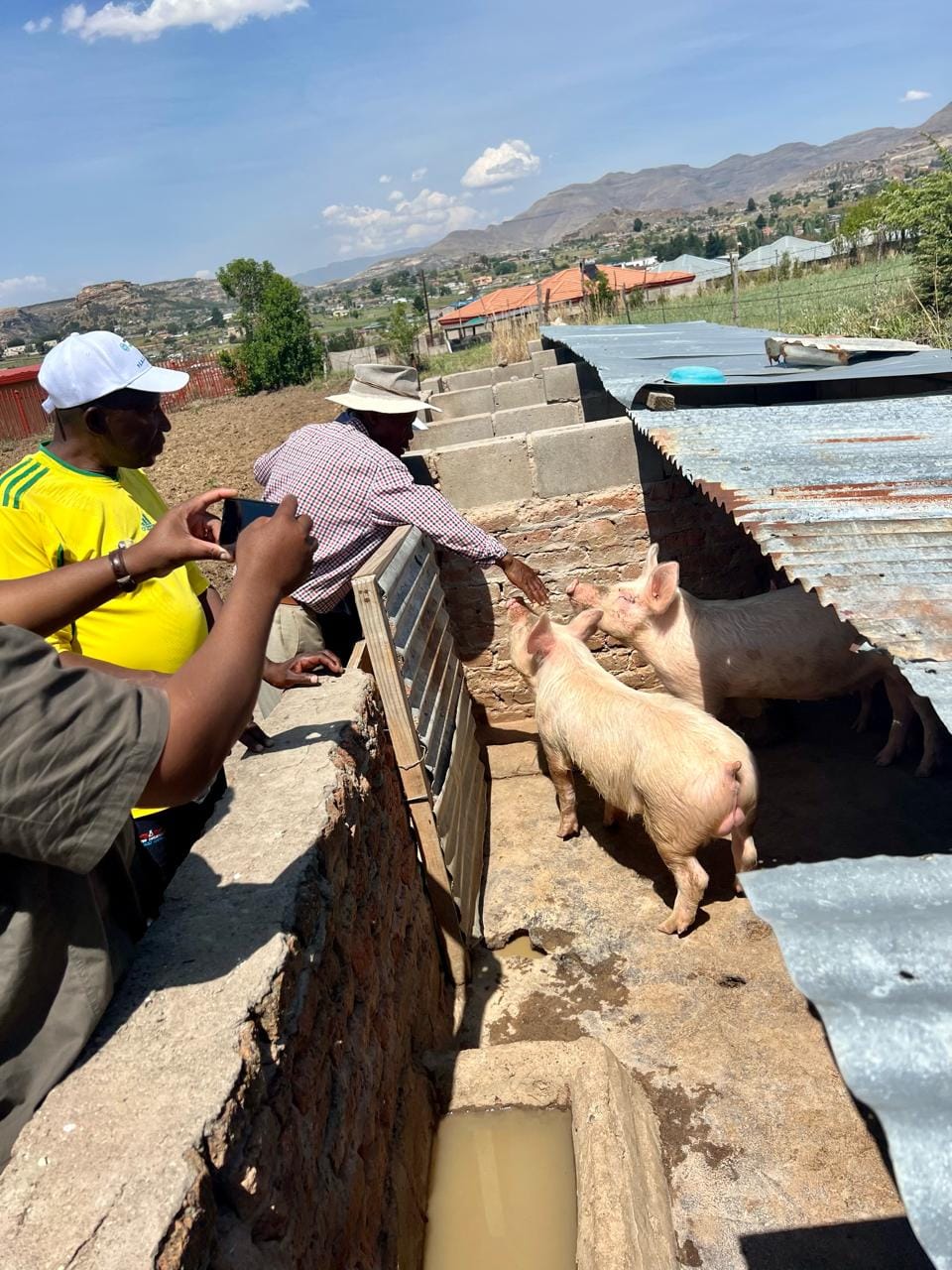
This proposal was born out of the wide consultations made through the National Steering Committee, Peace Plan Experts, members and Peace Plan trainees around the country and having invested funds and other resources in Chicken projects over time, the decision to promote a piggery project amongst Lesotho Peace Plan members received approval. Pig project/farming has over time, become one of the most profitable livestock businesses in Lesotho. Pork meat constitutes most of what many consumers in Lesotho consider their best meat. It might interest readers to note that profitability of this venture stems from the reproduction rate of pigs. It is on record that the average, a sow (female pig) weans off is, at least 9 healthy piglets per birth and this translates to 18 piglets annually since a sow gives birth twice per year. This makes it possible to start a small pig farming project and grow quickly over time. Piggery farming is a lucrative business that could provide sustainable income for many households and entrepreneurs in Lesotho.
To build a profitable and sustainable pig project in Lesotho, one requires sufficient knowledge of how to efficiently raise the pigs, and good management skills. As with any other projects, there are some important steps one need to take before start. The need for training of beneficiaries cannot be overemphasized
To be successful and competitive in the market, the strategy of the production will be based on providing maximum number of high-quality products at the lowest expenses for a relatively low price, developing retail sale amongst consumers, promoting service development and advertising amongst consumers through Peace Plan links and channels as well as ensuring producer-consumer relationship on mutually beneficial term. An investment of M180, 400 WAS approved and implemented